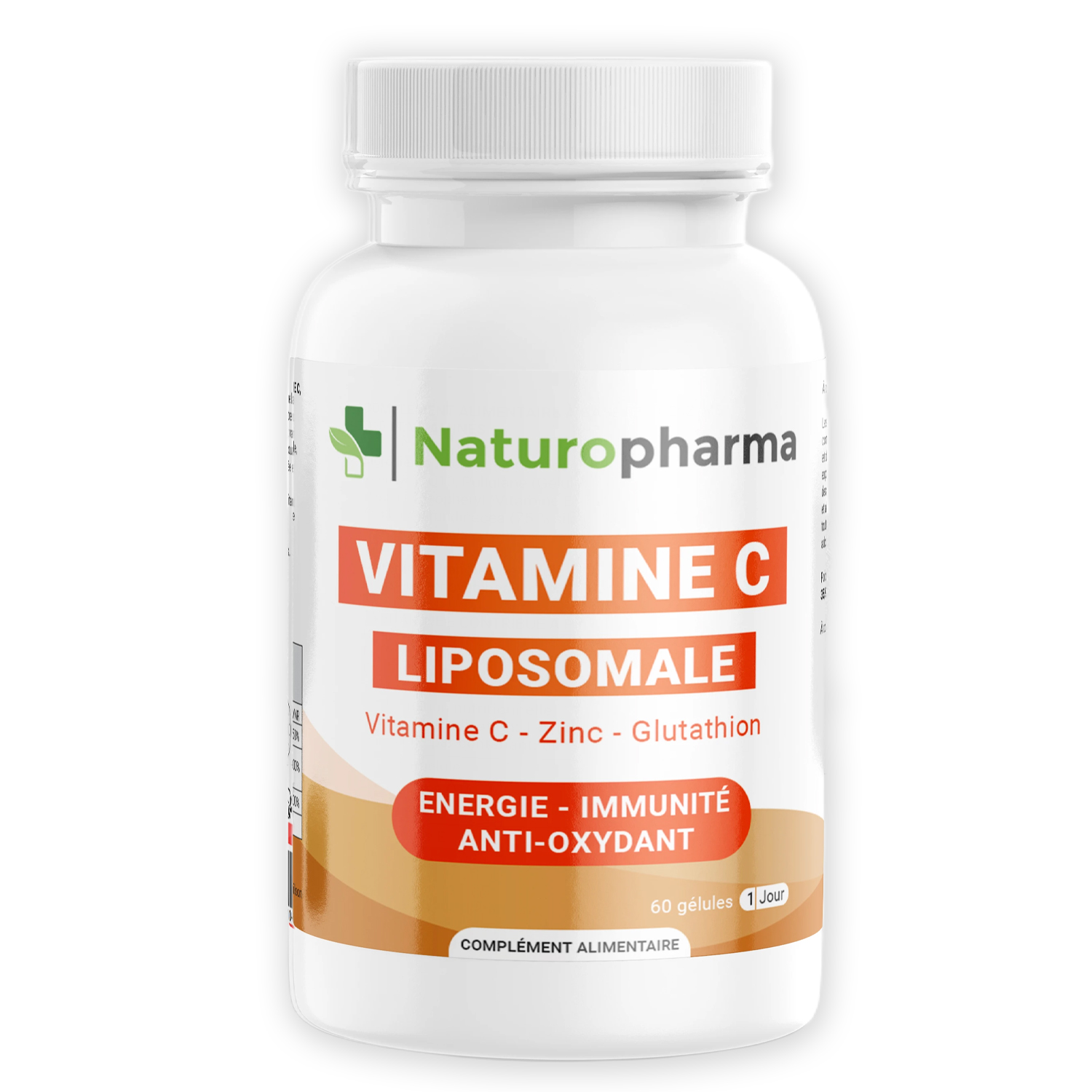
Labels on food supplements can sometimes seem complex. Don't be intimidated by this abundance of information! To help you navigate this maze of terms, we've prepared a simple, concise glossary.
Absorption
The process by which nutrients pass from the digestive tract into the bloodstream for distribution to the body's organs. Absorption varies according to the nutrient and various factors such as individual health and the form of the nutrient.
Amino acids
These molecules are the basic building blocks of proteins. They are divided into two types:
- Essentials These cannot be synthesised by the body and must be obtained through the diet.
- Non essential The following products can be produced by the body.
Adaptogen
A plant that helps the body resist stress and fatigue, such as ginseng or ashwagandha.
Additives
Substances added to food products to improve taste, texture or appearance. They include colourings, sweeteners, fillers and preservatives.
Charging agent
Food additive used to facilitate capsule filling or tablet compression, such as maltodextrin. At NaturopharmaWe prefer neutral alternatives such as acacia gum or rice starch.
Allergens
Substances that can cause allergic reactions, such as dust, animal hair, certain foods (fish, peanuts, eggs) and pollen.
Antioxidants
Compounds that protect cells against damage caused by unstable molecules, often called free radicals. Examples: vitamin Cvitamin E, beta-carotene.
Reference inputs (RA)
Daily recommendations for vitamins and mineralsindicated on food labels.
Bioavailability
A measure of the proportion and speed at which a nutrient is absorbed and used by the body.
Biotin
Also known as vitamin B7 or H, essential for the metabolism of fats, carbohydrates and proteins, and beneficial for hair, skin and nails.
Capsule
A soft envelope containing liquid active ingredients, often made from animal gelatine (marine, bovine or porcine).
Food supplements
Products formulated with nutrients such as vitaminsThese products are designed to supplement the diet and compensate for certain deficiencies.
Tablet
Solid galenic form obtained by compressing powder, intended for oral consumption.
Dalton
Unit of measurement of atomic mass, used to indicate the size of protein molecules such as collagen. Smaller molecules (fewer daltons) are more easily absorbed.
Excipients
Neutral substances added to facilitate the absorption, preservation or administration of an active ingredient.
Plant extracts
A substance obtained by isolating the active part of the plant and subjecting it to processes such as maceration, filtration and drying. An extract is said to be "titrated" when it has a precise concentration of active principle.
Manufacture
The process of assembling active ingredients and excipients to create a medicine or dietary supplement.
Galenics
Physical form given to a medicine or dietary supplement: tablet, capsule, powder, liquid.
Capsule
A hard capsule containing active ingredients in powder form, intended for oral consumption. Capsules can be vegetable (HPMC, pullulan) or animal (marine or bovine gelatin).
Hydrolysed
A protein or collagen that has been broken down into smaller fragments to facilitate absorption. Hydrolysis makes the nutrients more bioavailable, allowing greater efficacy with a lower dose.
Inulin
Prebiotic soluble fibre that promotes the growth of good bacteria in the intestine, improving digestion and intestinal health.
Liposomes
Microscopic fat bubbles that encapsulate nutrients, increasing their absorption and bioavailability.
Made in France
A statement indicating that the product was manufactured in France, even if the ingredients are not necessarily of French origin.
Raw materials
Basic ingredients used to manufacture or produce finished products.
Minerals
Inorganic substances essential to life, present in small quantities in our bodies, such as magnesium, zinc, calcium, iron and sodium.
Nutraceuticals
A product derived from food, offered in tablet, powder or capsule form, with beneficial or protective effects against certain chronic diseases.
GMOS
Genetically modified organism, modified to obtain new characteristics such as resistance to insects.
Omega-3
Essential fatty acids for cardiovascular health, brain function and reduced inflammation, found in oily fish and certain vegetable oils.
Peptan
Registered trademark of hydrolysed collagen peptides, recognised for their proven benefits for skin, joints and bones.
Phytoestrogens
Natural plant compounds which mimic the activity of oestrogen in the body, often used to manage menopausal symptoms.
Active substance
A substance with therapeutic properties, as opposed to an excipient.
Probiotics
Live microorganisms that confer health benefits when administered in adequate quantities, in particular by improving intestinal flora.
Free radicals
Unstable molecules that can damage the body's cells. Antioxidants help neutralise these molecules to protect cellular health.
Spirulina
Blue-green algae rich in proteins, vitamins, minerals and antioxidants, often used for its many nutritional benefits.
Superfoods
Foods that are particularly rich in nutrients, such as vitamins, minerals, antioxidants and other beneficial compounds. Common examples: goji berries, chia seeds, spirulina.
Titration
Chemical operation to determine the concentration of a substance, corresponding to the concentration of active ingredients in a product.
UI
International Unit, a measurement used to indicate the dosage of an ingredient, such as vitamin D or E.
Vegan
A philosophy that excludes all animal products, including food, certain items of clothing, cosmetics and leisure activities.
Vitamins
Organic molecules essential to life, supplied mainly by food. They are divided into water-soluble vitamins (groups B and C) and fat-soluble vitamins (A, E, D and K).
Zinc
Crucial mineral for many bodily functions, including the immune system, protein synthesis, wound healing and cell division.