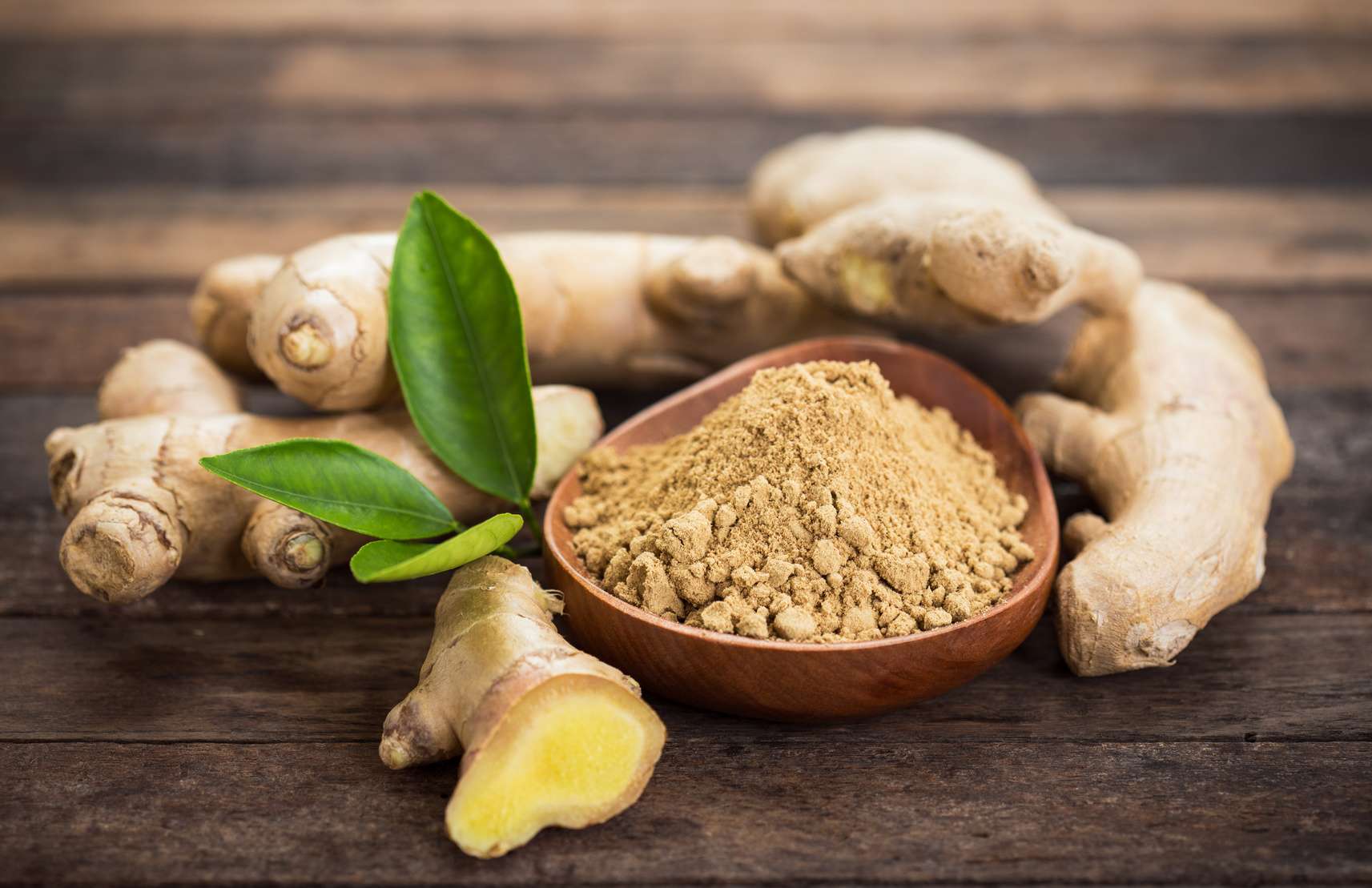
GINGER: BENEFITS, ORIGIN AND USE AS A DIETARY SUPPLEMENT
Ginger is a herbaceous plant native to Asia, mainly China and India, whose root has been used in cooking and medicine for thousands of years. This spice with its pungent, slightly sweet taste is very popular for its use in cooking, but it is also renowned for its many health benefits. In this article, we'll explain the origins of ginger, its main properties and how to use it as a dietary supplement.
Origin and cultivation of ginger
Ginger (Zingiber officinale) is a member of the Zingiberaceae family. It is found mainly in Asia, Africa and South America, but is cultivated in many parts of the world. The plant can grow up to a metre tall, with rather long, narrow leaves. The root, also known as the rhizome, is the most widely used part of the plant.
Ginger is easy to grow and adapts well to different climates. It prefers soil that is rich in organic matter and well-drained, as well as half-shade exposure. The rhizome can be harvested 6 to 8 months after planting, and can be used fresh or dried.
Composition and benefits of ginger
Ginger is made up of water, carbohydrates, fibre, proteins and lipids, as well as a number of minerals and vitamins such as potassium, magnesium, iron, calcium, magnesium, magnesium, calcium, magnesium, magnesium, calcium, magnesium, magnesium, magnesium, magnesium, magnesium, magnesium and magnesium. vitamin C and vitamin B6. It also contains active compounds such as gingerols, shogaols and paradols, which give it its health-giving properties.
Among the most widespread benefits of ginger are :
- Anti-inflammatory: the gingerols, shogaoles and paradols in ginger have anti-inflammatory properties that can help relieve joint and muscle pain, as well as headaches caused by inflammation.
- Anti-nausea: ginger is often used to prevent and relieve nausea, particularly that caused by motion sickness, pregnancy or drug treatments.
- Digestive stimulant: ginger can help facilitate digestion by stimulating the production of digestive enzymes and improving gastric emptying. It is also often recommended for relieving digestive problems such as bloating, flatulence and cramps.
- Antibacterial and antiviral: some studies have shown that ginger has antibacterial and antiviral properties, which can help prevent and fight infections.
- Antioxidant: ginger is rich in antioxidants, which help combat the free radicals responsible for cell ageing and certain chronic diseases.
Use as a food supplement
As well as being used in cooking, ginger is increasingly used as a dietary supplement. It can be found in various forms: powder, capsules, tincture or essential oil. It can be used on its own or in combination with other ingredients to enhance its effects.
Ginger supplements are generally recommended for :
- Improve digestion and relieve gastrointestinal disorders
- Preventing and relieving nausea and vomiting
- Relieve joint and muscle pain
- Strengthening the immune system
- Reduce cold and flu symptoms
- Improve blood circulation and cardiovascular health
It is important to note that food supplements are not medicines and should not replace a healthy lifestyle and balanced diet. It is always advisable to consult a health professional before taking food supplements, especially if you are taking medication.
Precautions for use
Although ginger is generally considered safe, it can cause adverse reactions in some people. Pregnant women are advised not to take excessive doses of ginger, as it can cause uterine contractions. Ginger can also interact with certain medicines, so it's important to discuss this with your doctor before use.
French-language scientific sources :
- Pharmacological properties and use of ginger in traditional medicine
- Ginger and rheumatism: literature review and clinical study
- Ginger and gastroenteritis: literature review and preliminary results of a clinical study
- Antioxidant and anti-inflammatory effects of ginger
- Using ginger as a food supplement to boost the immune system
In short, ginger is a plant with numerous health benefits, which has been used for centuries in traditional medicine. Its use as a dietary supplement can provide support on a number of levels, but it is important to always follow the recommended doses and to speak to a health professional if you are taking medication. Take advantage of the properties of this spice by incorporating it into your diet, and don't hesitate to use ginger-based food supplements if you feel the need.