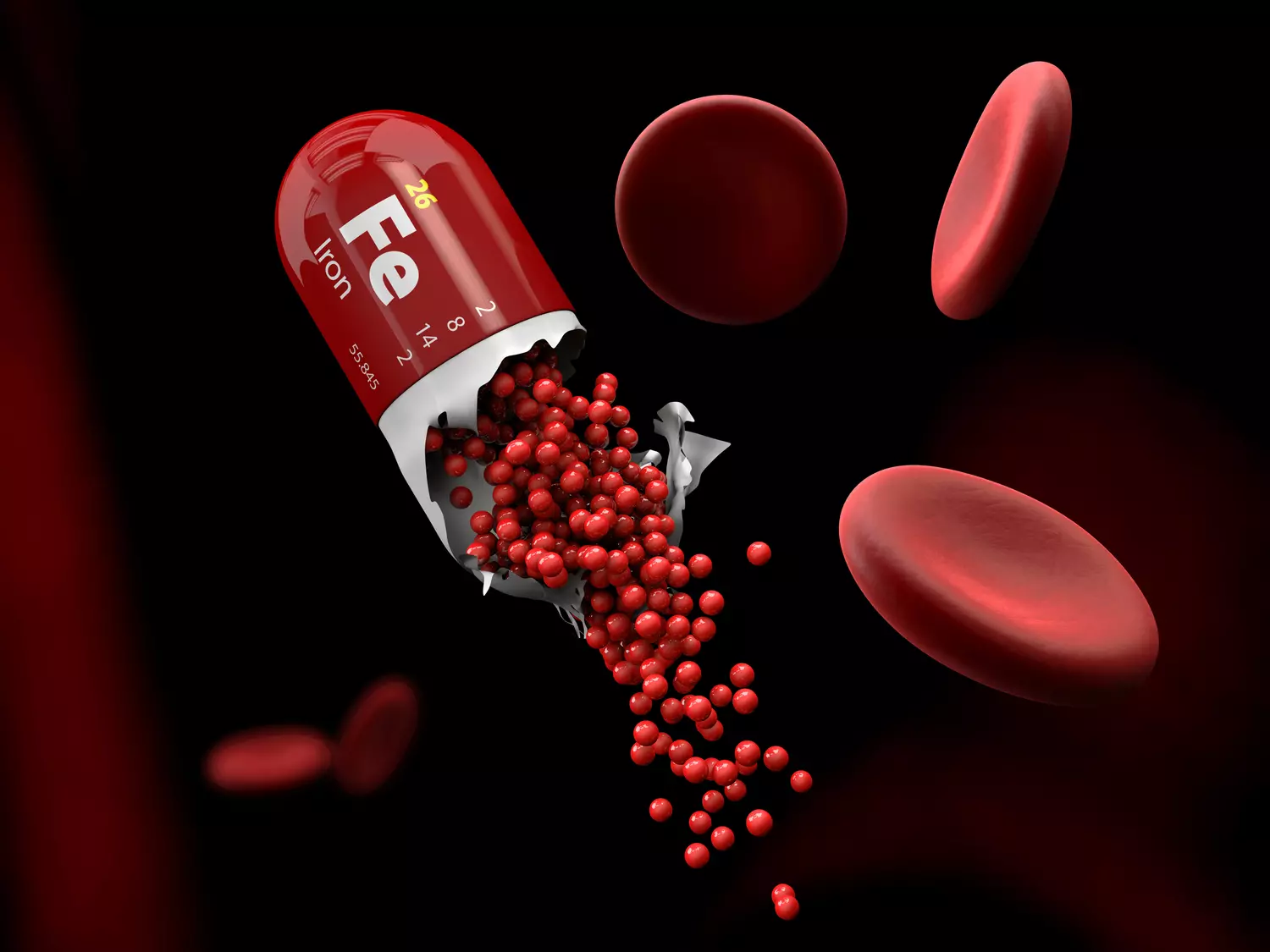
Iron: Benefits, origin and use
Iron is an essential mineral for the body, necessary for the proper functioning of several bodily functions. It is often recommended as a dietary supplement to combat iron deficiency, which is very common throughout the world. In this article, we'll explore the benefits of iron, where it comes from and how it can be used as a dietary supplement.
What is iron?
Iron is a micronutrient that plays an important role in oxygen transport and energy production in the body. It is also involved in DNA synthesis and immune function. There are two main forms of iron: haem iron, found in foods of animal origin, and non-haem iron, found in foods of plant origin. The body absorbs haem iron more easily than non-haem iron.
What are the benefits of iron?
Iron is crucial for maintaining good health. It helps prevent and treat iron deficiency anaemia, a condition characterised by low red blood cell counts and persistent fatigue. Iron also plays an important role in normal child development, helping to build new cells and maintain a strong immune system.
Here are the main benefits of iron:
- Maintenance of haemoglobin : Haemoglobin is a protein in red blood cells that transports oxygen from the lungs to body tissues. Iron is an essential component in the production of haemoglobin.
- Reduced fatigue : Iron is also needed to produce energy and help reduce fatigue and weakness.
- Support for cognitive functions : Iron helps maintain normal cognitive function by participating in the production of neurotransmitters.
- Strengthening the immune system : Iron is necessary for the production and maturation of white blood cells, which help fight infection.
- Improved hair and skin health: Iron is also important for the health of the hair and skin by stimulating the production of keratin and collagen.
People with iron deficiency may experience symptoms such as fatigue, pale skin, brittle hair and nails, and reduced ability to concentrate. It is therefore important to maintain an adequate intake of iron in the diet to avoid these symptoms.
How can I get enough iron from my diet?
Adults are recommended to consume between 8 and 18 mg of iron a day, depending on their age and sex. Pregnant women need a higher intake of iron, up to 27 mg per day.
Here are some iron-rich foods:
- Red meat
- Liver
- ��ufs
- Fish and seafood
- Pulses
- Nuts and seeds
- Green leafy vegetables such as spinach and kale
- Iron-enriched cereals
It is important to note that iron from animal sources is better absorbed by the body than iron from plant sources. However, by combining iron-rich foods with sources of vitamin CThe absorption of non-haem iron can be increased by eating foods such as citrus fruit or tomatoes.
If you find it difficult to get enough iron in your diet, your doctor or dietician may recommend that you take a dietary supplement containing iron. This can be particularly useful for people suffering from iron deficiency or for pregnant women.
The risks of over-consumption of iron
Although iron is essential for good health, over-consumption can lead to undesirable effects. High levels of iron can cause nausea, vomiting, diarrhoea and stomach cramps. In more serious cases, this can lead to iron poisoning and damage to the liver and other organs.
It is important to follow the dosage recommendations for dietary supplements containing iron and to consult a doctor if you are taking medication or have any health problems.
French-language scientific sources for consultation:
- Iron: What are the dietary sources?
- Iron and its health benefits: a systematic review
- Iron intake and health risks: a review of the literature
- The impact of iron on children's health
- The effects of iron on cognitive development in children
Summary
Iron is an essential mineral for the body, playing an important role in oxygen transport, energy production and immune function. Iron deficiency can lead to symptoms such as fatigue and iron-deficiency anaemia. It is therefore important to consume enough iron in the diet or take a food supplement if necessary. However, over-consumption of iron can have undesirable effects, so it is important to follow dosage recommendations. To find out more about iron and its benefits, don't hesitate to consult reliable scientific sources in French.