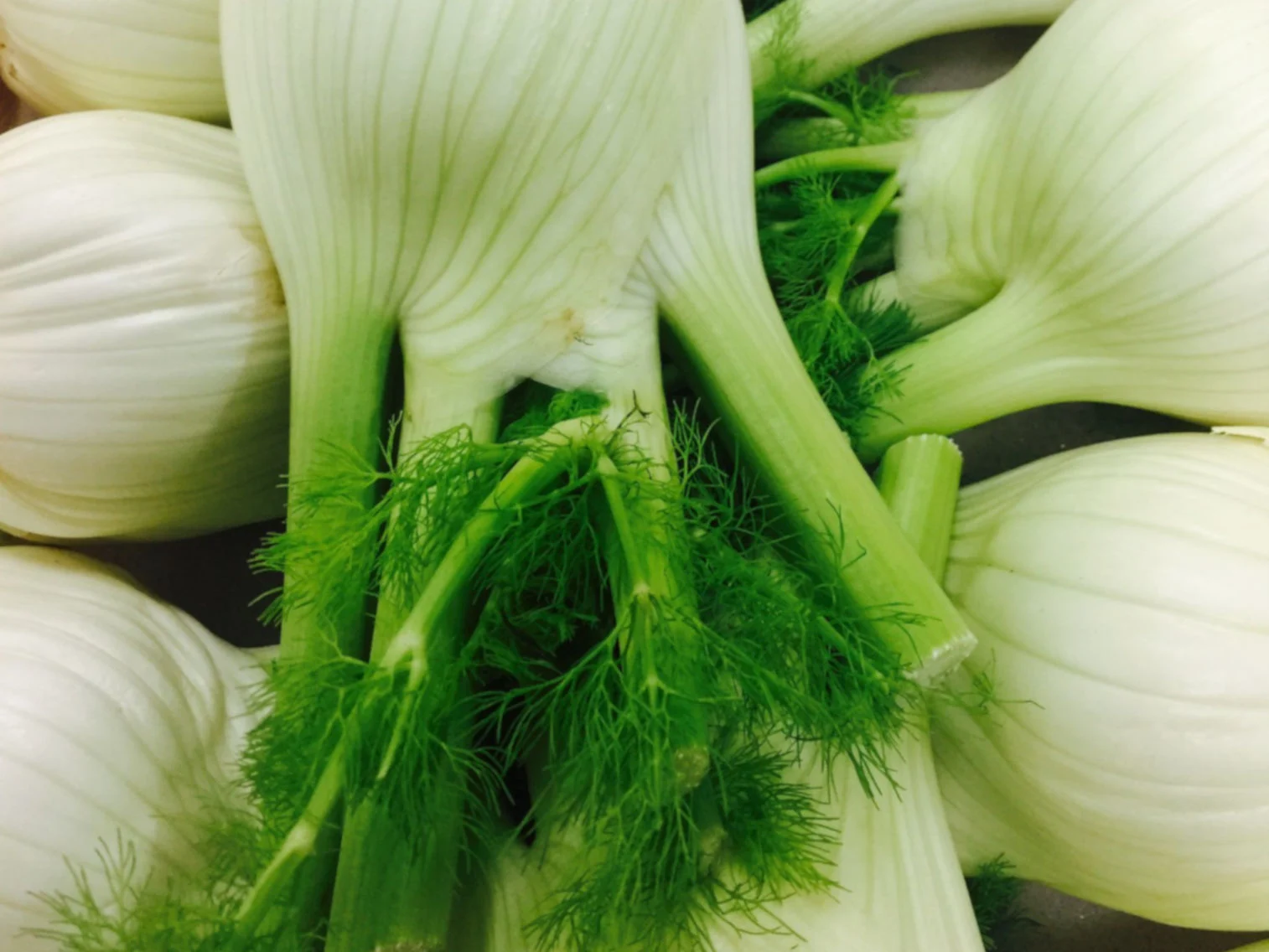
What is fennel?
Fennel, also known by its Latin name Foeniculum vulgare, is an aromatic plant belonging to the Apiaceae family. Native to the Mediterranean basin, it is often used in cooking for its aniseed-flavoured leaves and seeds. However, it is also widely used in traditional medicine for its many health benefits.
Benefits of fennel
Fennel has a number of health benefits, thanks in particular to its richness in essential nutrients such as vitamins C and B6, potassium and calcium. Here are just some of the benefits of fennel:
- Improved digestion: eating fennel is good for the digestive system. It helps relieve problems of flatulence, bloating and constipation thanks to its carminative and antispasmodic properties.
- Reduces symptoms of premenstrual syndrome: fennel is often recommended for women suffering from menstrual cramps, headaches and mood disorders during their premenstrual period.
- Diuretic effect: because of its potassium content, fennel can help increase urine production and eliminate excess fluids from the body, which can be beneficial in cases of water retention.
- Protection against cardiovascular disease: fennel is rich in antioxidants and anti-inflammatory compounds, which can help reduce the risk of cardiovascular disease by protecting cells against oxidative damage and reducing inflammation.
- Regulation of blood sugar levels: a number of studies have shown that fennel can help regulate blood sugar levels and reduce the risk of developing type 2 diabetes.
Use as a food supplement
Fennel can be used in various forms as a food supplementFennel is available in a variety of food supplements, including capsules, gels and powders. Fennel-based food supplements are often used to benefit from its digestive and soothing properties, but also to promote weight loss and help regulate women's menstrual cycles.
Because of its diuretic and antioxidant properties, fennel can also be useful as a dietary supplement for people with kidney problems or skin problems such as acne. It is also known for its anti-inflammatory properties, making it an interesting dietary supplement for people suffering from inflammatory diseases such as arthritis.
How do I take fennel as a dietary supplement?
Fennel can be taken as a dietary supplement in different doses depending on your needs and the manufacturer's recommendations. It is generally advisable to read the label carefully and follow the manufacturer's instructions before taking any fennel-based dietary supplement.
In general, the recommended dose for fennel-based food supplements is 200 to 400 mg per day, preferably taken before meals. It is advisable to divide the dose into several intakes throughout the day, rather than taking it all at once.
Precautions for use
Although fennel is generally considered to be safe and well tolerated, it is important to take a few precautions before taking food supplements made from this plant. Pregnant or breast-feeding women should avoid taking it, as it can have hormonal effects and disrupt the menstrual cycle.
Similarly, people suffering from hormonal disorders or taking hormone-based medication should consult their doctor before taking fennel. People allergic to other plants in the Apiaceae family (such as celery or carrots) may also be sensitive to fennel, and should therefore avoid taking food supplements based on this plant.
Conclusion
Fennel is a versatile plant with health benefits, used in cooking for its unique flavour and in traditional medicine for its many properties. As a dietary supplement, it can be particularly useful for improving digestion, reducing the symptoms of premenstrual syndrome and protecting against cardiovascular disease. However, it is important to always follow the manufacturer's recommendations and consult a health professional before taking fennel-based dietary supplements.