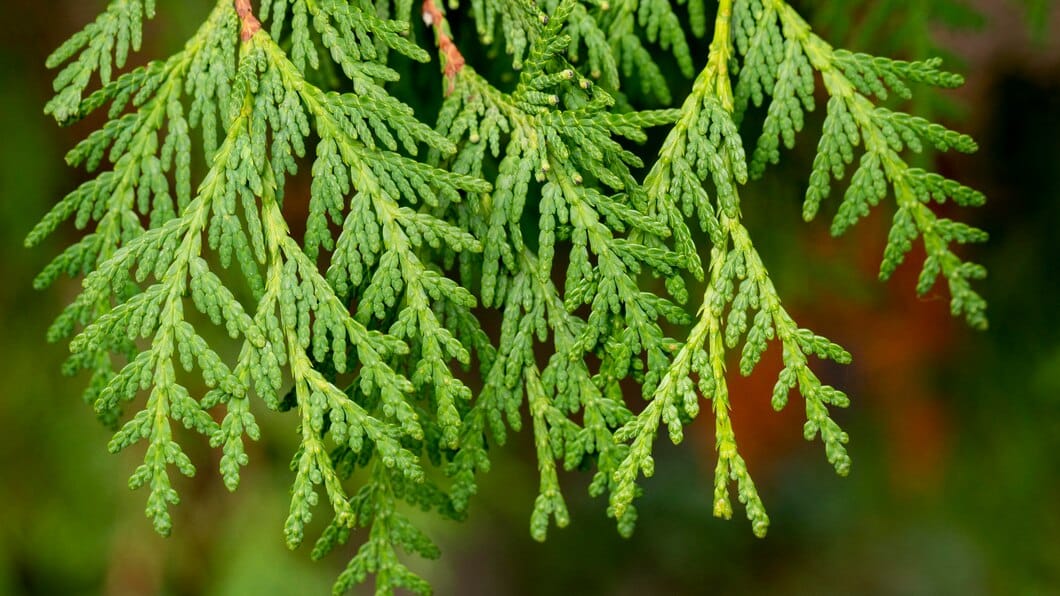
Cypress : Benefits, origin and use as a dietary supplement
Cypress is an ingredient often used in phytotherapy for its many virtues. Native to the Mediterranean basin, this tree of the Cupressaceae family has many beneficial properties for the health. Cypress has been used for centuries for its medicinal properties and is now one of the most popular food supplements. In this article, we'll look at the many benefits of cypress, its origin and its use as a dietary supplement.
Origin of cypress
Cypress is an evergreen tree that grows mainly in Europe, Asia and North Africa. Its scientific name, Cupressus sempervirens, comes from the Latin "sempervirens" meaning "evergreen". The first traces of its use date back to ancient Greece, where it was considered a symbol of eternal life. The Romans also used it in their funeral ceremonies for its purifying properties.
Today, cypress is grown in many countries for its wood, essential oil and medicinal properties.
Benefits of cypress
Cypress has a wealth of health benefits. As a dietary supplement, it is mainly used for its anti-inflammatory, antiseptic, antispasmodic and diuretic properties. Here is a non-exhaustive list of its benefits:
- Improves blood circulation: Cypress is known for its vascular properties, which help to stimulate blood circulation and strengthen the veins. It can therefore be used to treat venous disorders such as varicose veins, haemorrhoids and venous insufficiency.
- Beneficial action on the respiratory tract: Cypress has expectorant and decongestant properties, making it an ideal ally in cases of pulmonary congestion, coughs and bronchitis. It is also used to relieve the symptoms of colds and flu.
- Positive effects on the nervous system: cypress is an excellent nerve tonic, helping to combat fatigue and stress. It is also used to improve sleep quality and combat anxiety and sleep disorders.
- Anti-inflammatory properties: thanks to its high polyphenol content, cypress has anti-inflammatory properties, making it an invaluable ally for relieving joint and muscle pain, such as rheumatism, arthritis or aches and pains.
- Skin protection: used in cosmetics, Cypress has astringent and toning properties that are beneficial for the skin and hair. It also soothes skin irritations and prevents their appearance.
Use as a food supplement
Cypress is available in various forms as a dietary supplement: essential oil, extract, powder or capsules. It is generally recommended to take between 50 and 150 mg of cypress per day, depending on the condition being treated. It is important to follow the manufacturer's instructions and consult a health professional before starting cypress supplementation.
For use as a diuretic, it is advisable to take cypress in capsule or infusion form. It can also be applied topically in the form of an essential oil to relieve muscle or joint pain.
Precautions for use
Although cypress is a natural ingredient, it is important to take certain precautions when consuming it. Pregnant or breast-feeding women, as well as children, should avoid using cypress as a dietary supplement. People with medical conditions such as high blood pressure, heart disease or hormonal disorders should consult a doctor before taking cypress.
If you are taking medication, it is advisable to consult a health professional before starting cypress supplementation, as it may interact with certain medicines.
In a nutshell
Cypress is an ingredient that is both ancient and modern, and its health benefits have been proven by numerous scientific studies. As a dietary supplement, it offers numerous benefits for improving blood circulation, relieving pain and maintaining a balanced nervous system. It is important to follow the precautions for use and the recommended doses if you are to benefit fully from its virtues.
If in doubt, consult a health professional before starting cypress supplementation. And don't forget to choose quality products, organically grown and controlled by certification bodies.
Sources :
- Cypress, a highly effective natural remedy for venous disorders
- Cypress: properties, benefits and uses
- Cupressus sempervirens - Wikipedia