The anti-inflammatory properties ofhyaluronic acid An ally for health and beauty
What is hyaluronic acid?
Hyaluronic acid is a molecule naturally present in the human body, particularly in cartilage, skin and connective tissue. It is a polymer made up of simple sugars that has the particular ability to absorb and retain large quantities of water, giving it an essential role in keeping our tissues hydrated and supple. It is also known for its anti-ageing properties in aesthetic medicine, but its potential as an anti-inflammatory agent is still little known to the general public.
L'hyaluronic acid a natural remedy for inflammation
Inflammation is our body's normal response to external aggression or injury. It is characterised by redness, swelling, pain and reduced joint mobility. Hyaluronic acid plays a key role in regulating this inflammatory response, thanks in particular to its antioxidant and anti-radicular properties. In fact, it can neutralise the free radicals responsible for chronic inflammation and improve blood circulation, thereby promoting the repair of damaged tissue.
According to a study published in the Journal of Medicinal Food, the administration of hyaluronic acid has been shown to reduce inflammation in patients suffering from rheumatoid arthritis, an autoimmune disease affecting the joints. The researchers also observed a reduction in pain and an improvement in joint mobility in the participants who received hyaluronic acid-based treatment.
Hyaluronic acid: an ally for athletes
Inflammation is also a major issue for sportspeople, particularly high-level athletes who have to deal with recurrent injuries and chronic inflammation. The use of hyaluronic acid as a treatment for sports injuries has been studied in several studies, with promising results.
According to research published in the Journal of Joint and Bone Surgery, hyaluronic acid injections have been shown to reduce pain and inflammation in athletes suffering from knee injuries such as cruciate ligament tears. What's more, hyaluronic acid can also improve recovery after exercise by reducing the inflammation caused by intense physical effort.
Hyaluronic acid: an ally for skin health
With age, the body's production of hyaluronic acid decreases, leading to a loss of volume and a reduction in the skin's elasticity. This can lead to the appearance of wrinkles, fine lines and less firm skin. In addition to its antioxidant properties, hyaluronic acid is also able to inhibit the production of enzymes responsible for destroying the skin's own cells. collagen and elastin, two essential elements for firm, youthful skin.
Numerous studies have demonstrated the benefits of hyaluronic acid for combat the signs of skin ageing. According to a study published in the British Journal of Dermatology, the application of creams containing hyaluronic acid made it possible to reduce the appearance of wrinkles and improve skin elasticity. What's more, thanks to its anti-inflammatory properties, acid hyaluronic acid can also help to soothe skin. irritated or acne-prone skin.
How do you consume hyaluronic acid?
As well as being produced naturally in the body, hyaluronic acid can also be consumed in the form of food supplements or applied directly to the skin in creams and serums. Hyaluronic acid-based food supplements are increasingly used for their anti-ageing properties and their ability to relieve joint pain and inflammation. They can be bought in pharmacies or online, but it is advisable to seek the advice of a health professional before starting any supplementation.
When it comes to cosmetic products, it's important to choose quality products containing a sufficient concentration of hyaluronic acid, particularly in its most effective form, known as cross-linked hyaluronic acid. These products will often be more expensive, but they will give you visible, long-lasting results.
Precautions for using hyaluronic acid
Although hyaluronic acid is safe to use for most patients, it is always advisable to consult a healthcare professional before starting supplementation. Some people may have an allergic reaction to hyaluronic acid, particularly if they have a history of allergy to dermatological products. It is also important to stick to the recommended doses, as excessive consumption of hyaluronic acid can lead to side effects such as headaches, nausea and joint pain.
It is also important to note that the anti-inflammatory effects of hyaluronic acid are temporary and that its use should not replace medical treatment. It is recommended that you continue to take the medication prescribed by your doctor and consult a healthcare professional for any chronic inflammation or major injury.
Conclusion
Hyaluronic acid is a natural compound with numerous health and beauty benefits. As well as its well-known moisturising and anti-ageing properties, it also has anti-inflammatory properties, making it an important ally in the fight against skin ageing. joint and skin health. However, it is always advisable to consult a healthcare professional before starting supplementation and to continue to follow medical advice to treat any chronic inflammation. Don't hesitate to use cosmetic products containing hyaluronic acid to take advantage of its benefits for the skin, while taking care to choose quality products and respect the recommended doses. With its therapeutic potential still largely unexplored, hyaluronic acid is definitely an ingredient to keep an eye on in the health and beauty field.
Recommended products
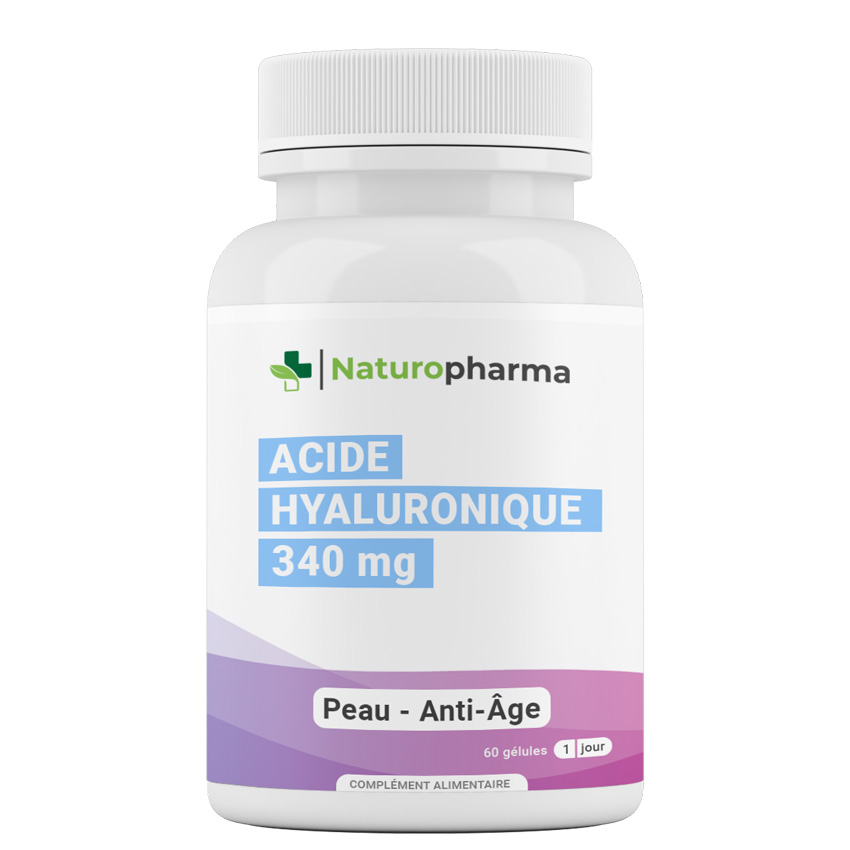
Hyaluronic Acid
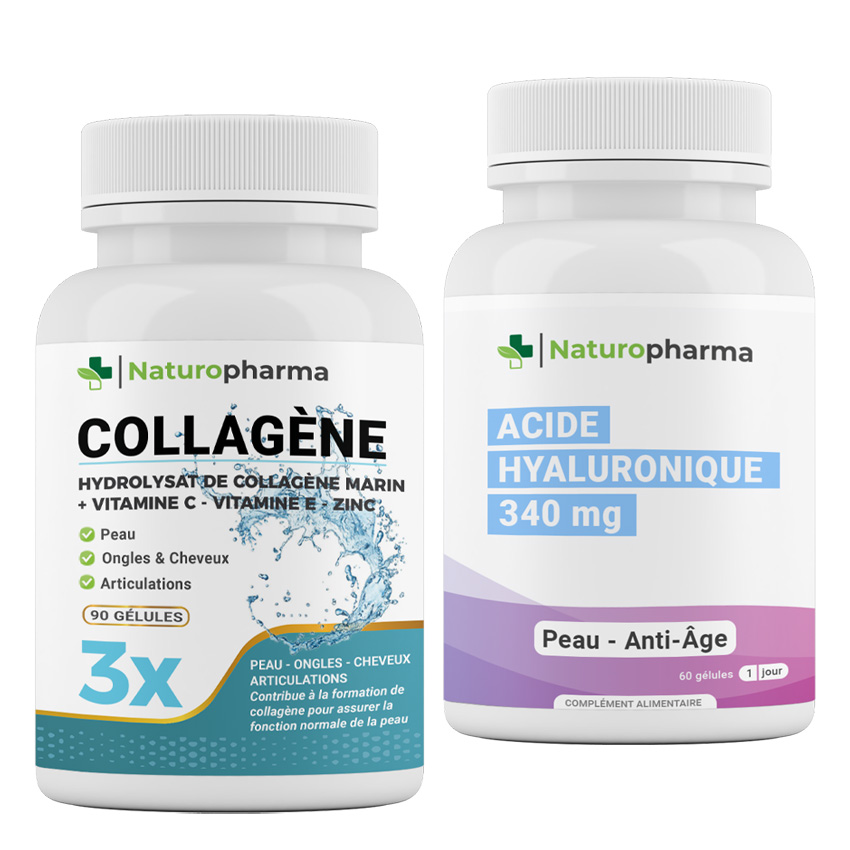
Original price was: 23,00 €.19,90 €Current price is: 19,90 €. (-13%)Collagen + Hyaluronic Acid
Original price was: 47,00 €.42,90 €Current price is: 42,90 €. (-9%)
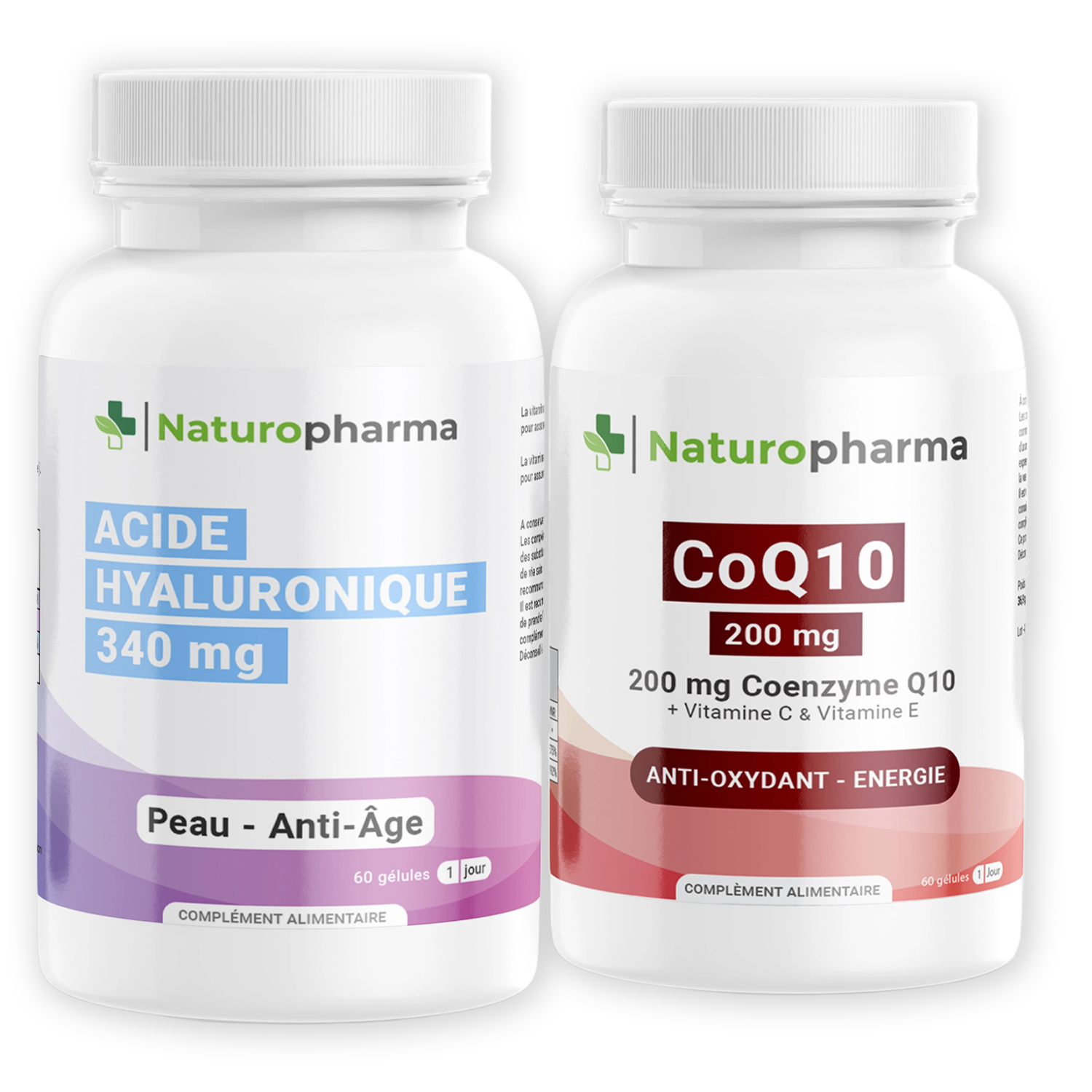
Hyaluronic acid + Coenzyme Q10
53,00 €