Hormonal balance plays a crucial role in the body's overall health. Hormones are chemical messengers that regulate numerous bodily functions such as growth, reproduction, metabolism and sleep. However, for these hormones to function properly, it is essential to have a sufficient intake of minerals. In fact, minerals play a crucial role in the production and regulation of hormones. In this article, we explore the importance of minerals for optimal hormone balance.
The role of minerals in hormone regulation
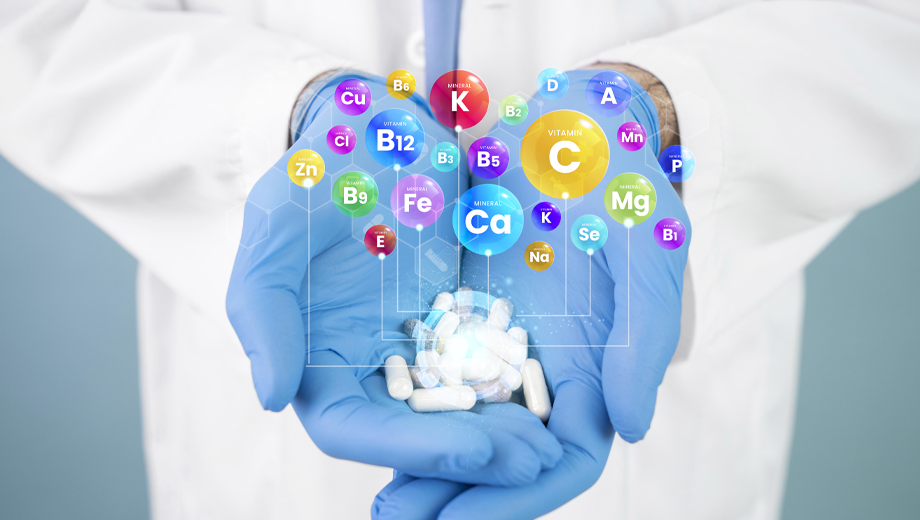
Minerals are essential elements for a variety of biological functions, including hormone regulation. They are involved in numerous processes, such as hormone synthesis and metabolism. In particular, three minerals are essential for hormonal balance: zinc, magnesium and selenium.
Zinc is a crucial mineral for cell growth and metabolism. It plays an important role in the production and stability of numerous hormones, such as insulin, testosterone, oestrogen and progesterone. Zinc is also needed to regulate hormonal activity, particularly in the gonads and adrenal glands.
Le magnesium is another mineral essential for hormone production and regulation. It plays a role in the synthesis of vitamin D, which is actually an important hormone for the bone and immune system health. Magnesium also helps regulate insulin and glucose levels in the blood.
Finally, the selenium is a crucial antioxidant for the proper functioning of the thyroid gland, which produces thyroid hormones important for growth, development and metabolism. It is also involved in the synthesis and function of many other hormones, such as insulin, growth hormone and testosterone.
The consequences of a mineral deficiency on hormonal balance
A mineral deficiency can lead to hormonal dysfunction, which can have significant repercussions on health. For example, a zinc deficiency can lead to a reduction in the production of testosterone, a hormone essential for libido, muscle growth and mental health. Similarly, a magnesium deficiency can cause insulin resistance, which can increase the risk of type 2 diabetes. Finally, selenium deficiency can affect thyroid function, leading to metabolic disorders and fertility problems.
How to maintain optimum hormonal balance with a diet rich in minerals
To ensure an adequate intake of minerals and maintain optimum hormonal balance, it is essential to eat a balanced and varied diet. Foods rich in minerals include legumes, dried fruit, nuts, seeds, green leafy vegetables, wholegrain cereals and dairy products.
It is also important to note that certain foods can contribute to mineral depletion. These include alcohol, coffee, refined sugar, processed foods and foods high in salt. It is therefore essential to limit their consumption and favour whole, unprocessed foods.
In addition to a balanced diet, it may be advisable to take food supplements to ensure an adequate supply of minerals. However, it is important to consult a health professional to determine any deficiencies and the appropriate doses.
Other factors to consider for optimum hormonal balance
As well as an adequate intake of minerals, other factors can influence hormonal balance. Stress, sleep, physical exercise and exposure to environmental toxins can all have an impact on hormone production and regulation.
It is therefore important to adopt strategies for stress management, In order to maintain an optimal hormonal balance, we need to encourage good quality sleep, take regular exercise and limit exposure to harmful chemicals.
Conclusion
Minerals play an essential role in the production and regulation of hormones. A mineral deficiency can have a significant impact on health, particularly on hormonal balance. It is therefore crucial to adopt a balanced diet and limit consumption of foods that can contribute to mineral depletion. By taking care of our mineral intake, we can maintain optimum hormonal balance for overall health and well-being.