Benefits of feverfew as a dietary supplement
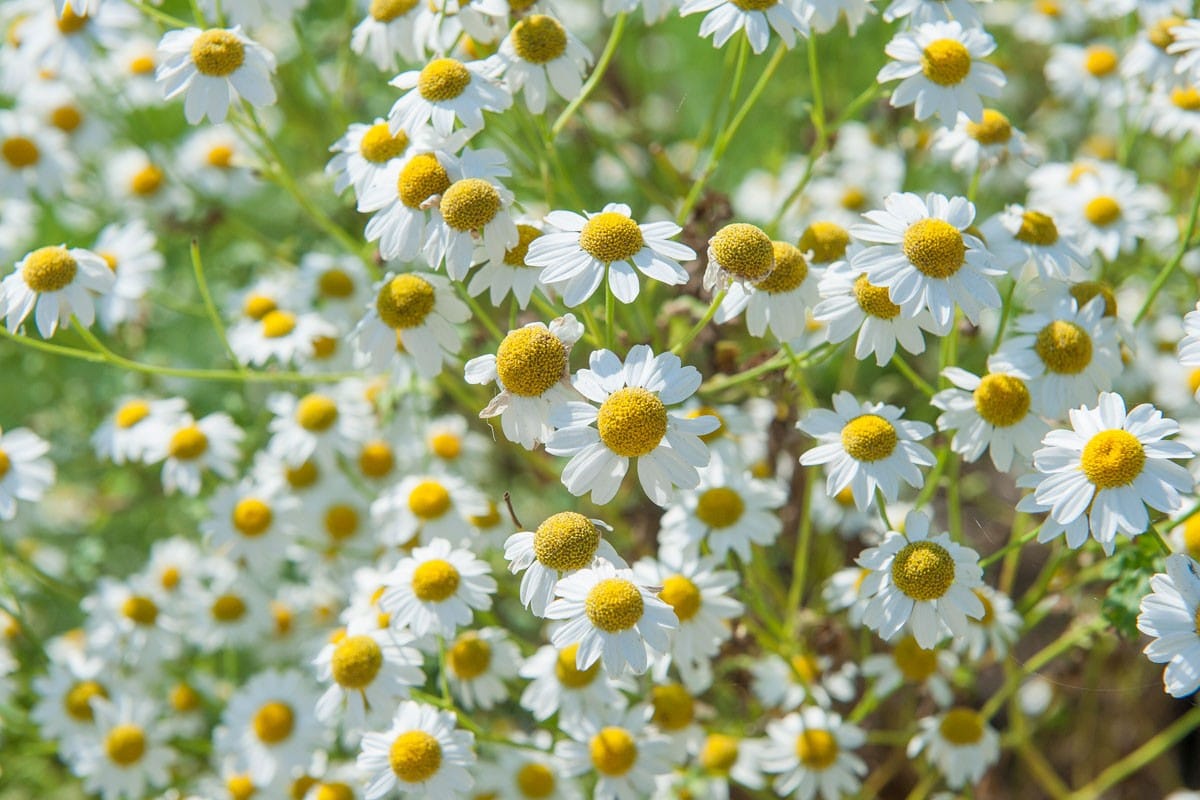
Feverfew, also known by its scientific name Tanacetum parthenium, is a medicinal plant that has been used for centuries for its many therapeutic properties. Native to Europe and Asia, it belongs to the Asteraceae family and is mainly grown for its white flowers with yellow centres. But did you know that feverfew can also be used as a dietary supplement? In this article, we'll explore the benefits, origin and use of feverfew as a dietary supplement.
The benefits of feverfew are many and varied
Feverfew is renowned for its many therapeutic properties. It is mainly used to relieve headaches and migraines thanks to its anti-inflammatory properties. But its benefits don't stop there. This plant is also known for its antispasmodic, antioxidant and anti-allergic properties. It can also be used to relieve joint pain, digestive disorders such as nausea and vomiting, and even flu and cold symptoms.
In addition, feverfew can be beneficial for women suffering from painful or irregular periods. It can help regulate menstrual cycles and relieve cramps and associated pain. It can also be beneficial for people suffering from anxiety and stress, as it has a calming effect on the nervous system and can promote restful sleep.
Origin of feverfew
Feverfew is native to Europe and Asia, where it has been used for centuries as a traditional remedy for a variety of medical conditions. It grows mainly in temperate zones and can be cultivated in other parts of the world.
As a dietary supplement, feverfew is generally grown under controlled conditions to ensure high quality and concentration of active ingredients. It can be found in the form of capsules, liquid extracts or dried powder.
Use of feverfew as a dietary supplement
Feverfew is generally used to relieve headaches and migraines, but it can also be taken as a dietary supplement for many other benefits. It is often recommended for people suffering from inflammatory conditions such as arthritis and ulcerative colitis. It can also be used to relieve seasonal allergies and associated symptoms such as sneezing, congestion and itching.
For best results, feverfew is often combined with other medicinal plants such as ginger and peppermint to enhance its anti-inflammatory and antispasmodic effects.
Precautions and side effects
Although feverfew is generally well tolerated, it can cause side effects in some sensitive individuals. These side effects may include stomach upset, nausea and vomiting, as well as allergic reactions such as skin rashes and mouth irritation. It is important to consult a health professional before starting to take feverfew as a dietary supplement, especially if you are pregnant, breastfeeding or taking medication.
In a nutshell
Feverfew, also known as tansy, is a medicinal plant with numerous health benefits. Used for centuries in traditional medicine, it can be taken as a dietary supplement to relieve various ailments such as headaches, joint pain, allergies and digestive disorders. However, it is important to take precautions and consult a health professional before taking feverfew as a dietary supplement.
Sources: