Ginkgo Biloba: The sacred tree with many benefits
- Key words : Ginkgo Biloba, origin, use, food supplements, benefits
- Key phrases : medicinal properties, blood circulation, memory, antioxidant, phytotherapy
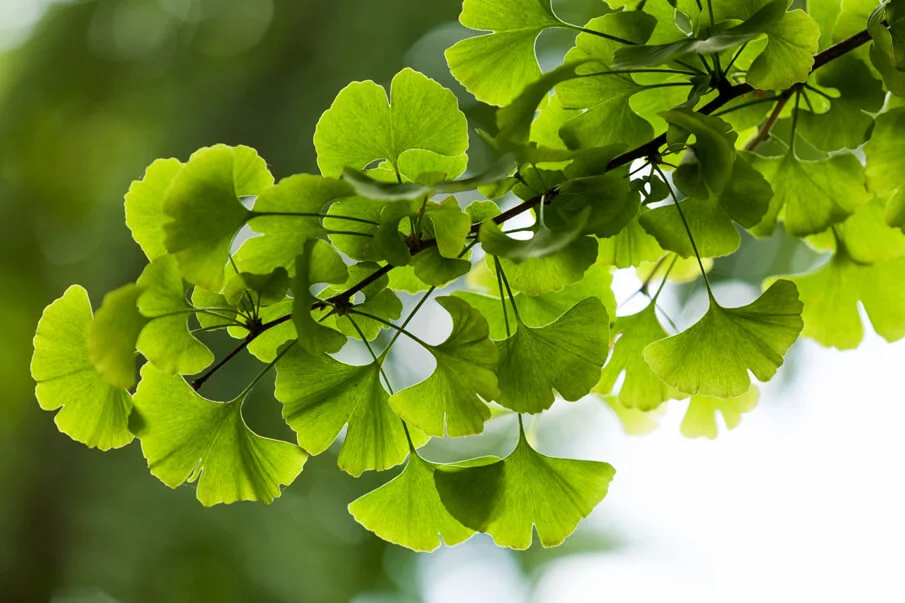
Ginkgo Biloba is a tree native to China and Japan, also known as the "40-coin tree" because of the coin-like shape of its leaves. The tree is considered a true symbol of longevity and wisdom in Asia, where it has been cultivated for over 1,000 years. But it's not just for its appearance or longevity that Ginkgo Biloba is famous, it's also highly valued in herbal medicine for its many health benefits. In this article, we'll look at the origins and different uses of this plant, as well as its benefits as a natural remedy. food supplement.
Origin and history of Ginkgo Biloba
Ginkgo Biloba has been celebrated for thousands of years in China for its medicinal properties. It was even planted in imperial gardens in the 11th century for its health benefits. It has to be said that this hardy tree, which can live up to 1,000 years, has leaves rich in active compounds that are beneficial to the body. In Japan, Ginkgo Biloba is also regarded as a symbol of strength and resistance. Indeed, when the atomic bomb hit Hiroshima in 1945, a Ginkgo Biloba continued to grow and thrive despite the power of the blast. Since then, the tree has become a symbol of peace and strength against mass destruction.
Use as a food supplement
Ginkgo Biloba is now widely used as a dietary supplement for its numerous health benefits. Its leaves are rich in flavonoids and terpenoids, powerful antioxidants that help fight free radicals and strengthen the immune system. These active compounds also promote blood circulation by dilating the blood vessels, which can be beneficial for people with high blood pressure or heart problems.
Improved memory and concentration
Ginkgo Biloba is also known for its benefits for memory and concentration. By increasing blood flow to the brain, the plant's active compounds help to improve cognitive function by promoting the transmission of information between neurons. Ginkgo Biloba may also stimulate the production of neurotransmitters, which can help improve memory and concentration.
Combating cerebral ageing
In addition to its effects on memory and concentration, Ginkgo Biloba also has anti-ageing properties. The antioxidants present in its leaves help to protect brain cells from damage caused by free radicals and slow brain ageing. Some studies have shown that Ginkgo Biloba may even have a preventive effect against neurodegenerative diseases such as Alzheimer's.
Other health benefits
Ginkgo Biloba is also used to treat other health problems thanks to its anti-inflammatory and antioxidant properties. It can be beneficial in relieving the symptoms of asthma, bronchitis and osteoarthritis. What's more, some studies have shown that Ginkgo Biloba can also improve the symptoms of premenstrual syndrome and the menopause by regulating hormonal imbalances.
How should Ginkgo Biloba be used?
Ginkgo Biloba is available as capsules, tablets, liquid extracts or dried leaf infusions. The recommended dose is generally 120 to 240 mg per day in two doses. However, it is important to consult a doctor before starting a course of Ginkgo Biloba, especially if you are already taking medication. It is also advisable to respect the recommended doses and avoid exceeding 600 mg per day.
Precautions for use and side effects
Ginkgo Biloba is generally well tolerated, but it can cause adverse effects in some people, including headaches, dizziness, nausea and bleeding. Pregnant and breast-feeding women, as well as children, should avoid taking Ginkgo Biloba. It is also important to note that Ginkgo Biloba can interact with certain drugs such as anticoagulants, antidepressants and anti-epileptics. It is therefore essential to consult a doctor before starting a course of dietary supplements based on Ginkgo Biloba.
Conclusion
Ginkgo Biloba is a tree with many virtues, which has survived the centuries without losing its popularity in traditional Chinese medicine. Today, it is used throughout the world for its medicinal properties and health benefits. As a dietary supplement, it can be beneficial for improving blood circulation, memory and concentration, as well as combating cerebral ageing. However, it is important to follow the recommended doses and consult a doctor before starting a course of treatment to avoid any risk of undesirable effects. To fully benefit from the virtues of Ginkgo Biloba, it is advisable to include it in a healthy, balanced diet combined with a healthy lifestyle.